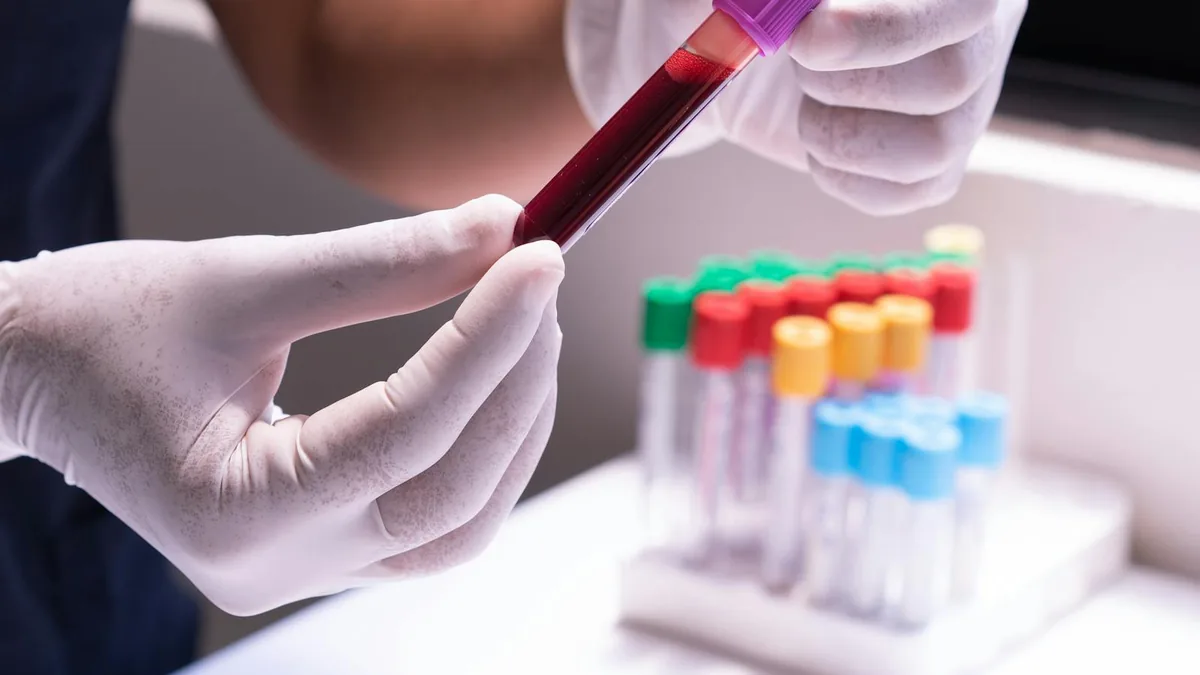
I've spent roughly $3,200 of my own money over the last three years getting my blood tested, scanned, sequenced, sampled, and otherwise inspected. Some of it was genuinely useful. Some of it was an expensive way to feel productive about my health while changing nothing.
This guide is the version of that journey I wish someone had handed me in 2023. It walks through what at-home health testing actually is in 2026, who the real players are, what's worth paying for, and — importantly — when you should just put your wallet away and call your primary care doctor instead.
Key Takeaways
- Best overall (longevity-tracking): Function Health — $499/yr, 100+ biomarkers, twice-yearly draws. Best platform for watching trends.
- Best for athletes / one-time deep dive: InsideTracker — pricey but action-oriented; the recommendations are actually usable.
- Best budget option: Quest Diagnostics DTC or LabCorp OnDemand — order the exact same panels for $150–$300, interpret yourself or with your doctor.
- What NOT to do: Don't buy a "longevity panel" hoping it will tell you how long you'll live. It won't. It will tell you about a few hundred biomarkers — useful, but not destiny.
- When to skip and just see your doctor: If you have insurance, an active health concern, or a PCP who will run an ApoB / Lp(a) / hs-CRP when you ask, you can replicate ~80% of what Function Health does for the cost of a copay.
Medical disclaimer: I'm not a doctor. Nothing in this article is medical advice, diagnostic guidance, or a substitute for working with a licensed clinician. Blood tests may indicate potential concerns; they don't diagnose anything on their own. If a result alarms you, talk to your physician. Full disclaimer at the bottom.
Why baseline blood work matters (the actual case)
Here's the part of the longevity narrative I think is mostly correct: the median American adult goes years between meaningful blood draws, and the panels their PCP orders during an annual physical are minimal — usually a basic CBC, a CMP, and a standard lipid panel. That's fine for catching dramatic abnormalities. It's not fine for trends, and trends are where most chronic disease lives.
Three things shifted my thinking:
- Cardiovascular disease is still the #1 killer in the US, and the cheap, standard "lipid panel" (total cholesterol, LDL-C, HDL, triglycerides) misses a lot. The American Heart Association's recent guidance and a growing body of research point to apolipoprotein B (ApoB) and lipoprotein(a) (Lp(a)) as better risk indicators than LDL-C alone. Most PCPs still don't order them by default.
- You only get one Lp(a) test in your life. It's almost entirely genetic. Roughly 1 in 5 people has elevated Lp(a), and most have never been tested for it. (See: Tsimikas et al., JACC 2017.)
- Trends beat single data points. A fasting glucose of 94 mg/dL is fine. A fasting glucose of 94 mg/dL after it was 81 last year and 86 the year before is a story.
So: there's a real argument for occasional comprehensive panels. The question is how you get them.
The at-home health testing landscape in 2026
The category has fragmented since 2023. Here's how I now mentally bucket the players.
Direct-to-consumer (DTC) testing platforms
These are the brand-name companies running marketing campaigns on your Instagram feed. They handle the lab order, the draw (usually via a partner like Quest or LabCorp), the dashboard, and — to varying degrees — the interpretation.
- Function Health — Membership model. $499/yr for two panels of 100+ markers.
- InsideTracker — One-time purchase. $349–$699 depending on tier, 48+ markers.
- SiPhox Health — Mailed finger-prick kits. ~$95–$300 per panel.
- Marek Health — Performance/hormone-focused, popular with the gym crowd. À la carte panels run $200–$600.
Raw lab access (Quest, LabCorp DTC)
The two largest US lab companies both run consumer-facing portals where you can order tests on yourself, walk into one of their draw stations, and get results emailed to you.
- Quest Diagnostics — questhealth.com — Their DTC arm.
- LabCorp — Labcorp OnDemand
You get the same lab data the doctors get, at a significantly lower price. You don't get the interpretation, the dashboard, or the lifestyle recommendations.
Specialized testing
- Continuous Glucose Monitors (CGMs) — Stelo, Lingo, Levels. See my CGM guide.
- Genetic — 23andMe (the data security situation is still a mess as of 2026), Nucleus, SelfDecode.
- Hormone panels — Marek Health, Maximus, Hone, Defy Medical.
- Microbiome — Viome, BIOHM, ZOE. The science here is still very early — I treat these as "interesting" not "actionable."
- Heavy metals & toxins — Quicksilver, Genova. Useful in specific situations; oversold for general "detox" use.
Whole-body imaging and screening
A different beast. These are imaging-based, not blood-based, and the price is in a different universe.
- DEXA scans — Body composition + bone density. $50–$150 at independent clinics; $200–$400 at some Equinox-style locations.
- Prenuvo / Ezra — Full-body MRI. $1,000–$2,500. Marketed as "find cancer early." The actual evidence on whole-body MRI for asymptomatic adults is mixed and the false-positive rate is meaningful.
- Galleri (GRAIL) — Multi-cancer blood-based screen. ~$949 per test. Currently used for adults with elevated cancer risk; sensitivity for early-stage cancers is genuinely uncertain. (2023 PATHFINDER study)
- Coronary calcium score (CAC) — Not at-home, but worth knowing about. ~$100–$400 at a local imaging center. Probably the single best ROI cardiovascular test for adults over 40 if you have any cardiac risk factors.
What to test (and why)
If you're going to spend money on blood work, here's the panel I'd actually want, sorted by what I think the priority order should be. This is not medical advice — it's how I'd think about building a panel if I were starting over.
The basics (any panel should include these)
Complete Blood Count (CBC) — Red cells, white cells, platelets. Cheap, ubiquitous, occasionally catches things like anemia, infection, or rare blood disorders.
Comprehensive Metabolic Panel (CMP) — Electrolytes, kidney function (creatinine, BUN), liver enzymes (ALT, AST), glucose. Same deal: cheap, foundational, catches obvious problems.
Standard lipid panel — Total cholesterol, LDL-C, HDL, triglycerides. Useful but limited.
Advanced cardiac (the part most PCPs miss)
This is where DTC testing earns its keep, because most primary care visits don't include these by default.
- Apolipoprotein B (ApoB) — The protein that wraps every atherogenic lipoprotein. Probably a better predictor of cardiovascular risk than LDL-C, especially in people with metabolic syndrome. (Sniderman et al., JAMA Cardiology 2019)
- Lipoprotein(a) — Lp(a) — Mostly genetic. One-and-done test. ~20% of people are elevated.
- High-sensitivity C-reactive protein (hs-CRP) — Inflammation marker. Elevated hs-CRP has been independently linked to cardiovascular events.
- Lipoprotein particle testing (NMR LipoProfile) — Counts the actual particles. Some clinicians swear by it; others consider it redundant with ApoB.
Metabolic
- Hemoglobin A1c — Three-month average blood glucose. Standard, useful.
- Fasting glucose
- Fasting insulin — The two together let you estimate HOMA-IR (insulin resistance). Probably the single most underused metabolic test in primary care.
Hormonal
For men: Total testosterone, free testosterone, SHBG, estradiol (sensitive assay), LH, FSH. Get tested fasting, before 10 AM, after at least one day off the gym.
For women: Hormonal testing is much more context-dependent on cycle, age, and life stage. If you're considering hormone testing, this is where I'd argue strongly for working with an actual endocrinologist or women's-health specialist instead of a DTC dashboard.
For everyone: TSH, free T4, free T3. Thyroid function affects almost everything else.
Cortisol — Tricky. A single morning serum cortisol tells you very little. Salivary cortisol curves (4 samples across a day) are more useful but harder to get.
Inflammatory markers
- hs-CRP (already mentioned)
- Homocysteine — Elevated levels associate with cardiovascular and cognitive risk, though causality is debated.
- Ferritin — Iron stores; also an acute-phase reactant, so it doubles as an inflammation marker.
- Fibrinogen — Clotting + inflammation.
Vitamins, minerals, micronutrients
- Vitamin D (25-hydroxy) — Most adults are deficient or insufficient. Test it.
- Vitamin B12 — Especially important if you're vegetarian/vegan or over 50.
- Folate
- Magnesium (RBC magnesium is more useful than serum)
- Zinc, copper, selenium — Situational.
Heavy metals (situational)
I tested for lead, mercury, arsenic, and cadmium once after eating a lot of canned tuna in 2022. Results were fine. I would not recommend running heavy metals testing as a routine "longevity" panel — only if you have a specific exposure concern.
The 5 contenders, compared
Here's the head-to-head on the major DTC players, based on panels I've personally ordered (Function Health, InsideTracker, SiPhox, Quest DTC) and one I've ordered for a family member (LabCorp OnDemand).
| Test | Price | Biomarkers | Cadence | Includes draw fee? | Result time | My grade |
|---|---|---|---|---|---|---|
| Function Health | $499/yr | 100+ | 2x/year baseline + add-ons | Yes (Quest) | 5–14 days | A- |
| InsideTracker Ultimate | $699 one-time | 48 | One-time | Yes (LabCorp or home) | 7–10 days | B+ |
| Quest Health DTC | $150–$400 | 30–80 depending on panel | DIY | Lab draw included | 2–5 days | A (for value) |
| LabCorp OnDemand | $150–$400 | Similar | DIY | Lab draw included | 2–5 days | A- |
| SiPhox Ultimate | $295 | 50 | Quarterly available | Mail-in finger-prick | 5–7 days | B |
Function Health
The current darling of the longevity-coded fitness internet. $499/yr gets you two comprehensive panels — over 100 biomarkers each — plus a dashboard with reference ranges, "optimal" ranges, trend tracking, and an AI-assisted result summary. They also offer occasional add-ons (heavy metals, microbiome, additional hormones) for fees on top.
What's good: The platform is genuinely the best in this space. The panel is comprehensive. The "two panels a year" cadence is enough to start seeing real trends without becoming neurotic.
What's not: The "AI doctor" interpretation is mediocre. The longevity-coded marketing oversells what blood markers can actually tell you about lifespan. And $499/yr is real money.
I have a 14-month, 4-panel review here: Function Health Review.
InsideTracker
The OG of the at-home blood-test space — they've been around since ~2012 and were the first company in this category I tried. Athlete-focused: their recommendation engine is built around training, recovery, and nutrition rather than longevity per se.
What's good: The food/supplement/lifestyle recommendations are unusually actionable. The DNA add-on (one-time genetic baseline integrated into the dashboard) is interesting. UX is solid for first-time blood-test users.
What's not: The "InnerAge" feature is a gimmick — it's computed from a handful of biomarkers and the literal predictive value of "your biological age is 34" is close to zero. Subscription nag for their supplements is annoying. Panel size is smaller than Function Health.
Full review: InsideTracker Review.
Quest Diagnostics DTC (questhealth.com)
The "just order the panel yourself" option. Pick from menu, pay with credit card, walk into a Quest draw station, get results in 2–5 days.
What's good: Cheap. The same panel Function Health uses (they're a Quest partner). You can order exactly what you want.
What's not: No interpretation, no dashboard, no recommendations. You're getting a PDF.
This is what I tell people with high-deductible insurance plans or anyone who already has a doctor willing to look at results: just order it yourself.
LabCorp OnDemand
Quest's main competitor. Essentially the same value proposition. Slightly different test menu. Pick whichever has a draw station closer to you.
SiPhox Health
Different model: they ship you a finger-prick kit, you mail it back, results come back in about a week.
What's good: No venipuncture, no driving to a draw station. Useful if you live somewhere remote.
What's not: Finger-prick panels have inherent limitations — some markers (like Lp(a), ApoB) are well-validated, others are less reliable than venous draw. Panel is more limited than Function Health.
Best for athletes
InsideTracker. The recommendations are built around training adaptation, recovery markers, ferritin/iron status, and the kinds of metabolic markers that actually move with hard training. Add the DNA panel and you get a one-shot performance baseline.
Second pick: Marek Health if you want something more focused on hormones and performance, less on general wellness.
Best for longevity tracking
Function Health. This is where the twice-yearly cadence pays off — you actually get trend data over multiple years. ApoB, Lp(a), hs-CRP, fasting insulin, A1c, full thyroid panel, and the standard vitamin / micronutrient suite are all in the baseline.
That said, no blood panel tells you how long you're going to live. The honest version of the longevity case is: certain markers (ApoB, Lp(a), A1c, hs-CRP, fasting insulin) are good predictors of disease risk, and managing them down likely reduces that risk. That's it. There's no biomarker that tells you "you're going to live to 95."
Best for budget
Quest DTC or LabCorp OnDemand. You can build a personal panel with the most important markers — ApoB, Lp(a), hs-CRP, A1c, fasting insulin, full thyroid, vitamin D, B12 — for under $250. The catch is you have to interpret the results yourself or convince your doctor to look at them. (Most doctors will, if you bring them in and ask politely.)
For the absolute cheapest path to "I know my Lp(a)": order a single Lp(a) test from Quest DTC for about $32. Do it once. You're done forever.
Best for women's health
This is the category where I have the least personal experience and the most caution. Women's hormonal health is more cycle-dependent, more context-dependent, and frankly more poorly served by the DTC dashboards, which often display male reference ranges as the default.
If I were a woman building a testing plan:
- For general baseline: Function Health, but with the explicit understanding that the hormone interpretation is limited.
- For cycle / fertility / perimenopause: a specialized provider like Modern Fertility (for fertility-focused) or working with a women's health clinician who can order timed cycle-day-specific testing.
- For thyroid: standard panels work, but get free T3 and reverse T3 if possible.
Honestly: this is the area where I'd most strongly suggest working with a clinician rather than relying on a DTC dashboard alone.
If the testing is one piece of a broader 40-plus plan rather than the whole of it, the recovery stack for women 40+ sequences the baseline blood panel and DEXA scan alongside the training, protein and sleep changes they are meant to measure.
CGMs as a separate category
Continuous glucose monitors have moved from "you need a prescription and a diabetes diagnosis" to "walk into CVS and buy one" in the span of about 18 months (Stelo got FDA OTC clearance in August 2024).
Whether you should wear one is its own question, with a real evidence vs. hype tension. I cover it in depth in Best CGM for Non-Diabetics (2026).
Short version: a CGM is most useful as a 1–3 month learning tool, not a forever subscription. If you're metabolically healthy, fasting glucose is reliably under 95 mg/dL, and A1c is under 5.4, the CGM is a $90/month curiosity, not a clinical tool.
What I actually do (my testing cadence)
Since you read this far, here's my real personal protocol as of May 2026. This is what I do. It's not what you should do.
- Function Health membership — Continued for the third year. The trend data is now the most valuable part — I have ~4 years of ApoB, Lp(a) (one and done), fasting insulin, hs-CRP, A1c, vitamin D, and thyroid in one dashboard.
- One-off Quest DTC tests when I want something specific — e.g., I added omega-3 index testing for $99 to check on fish oil dosing.
- CGM — Worn for 14 days about once a year now. The interesting findings (oatmeal spikes me hard, white rice plus vinegar is fine, late-night protein doesn't bump glucose much) are stable.
- DEXA scan — Once a year for body composition and bone density. $79 at a local clinic.
- Coronary artery calcium (CAC) score — Did one in 2024 at age 38. Score was 0. I'll re-test in 2030 unless something changes.
- No Prenuvo, no Galleri. I'm not personally convinced the asymptomatic-screening evidence justifies the cost or the false-positive risk for someone in my risk profile.
Total annual spend on testing: ~$700.
The "longevity" claims: what's real, what's marketing
I want to spend a section on this because the marketing in this category is bad and getting worse.
What's real:
- Cardiovascular disease is the #1 cause of death and there are blood markers (ApoB, Lp(a), hs-CRP) that meaningfully predict risk.
- Type 2 diabetes is preventable, and metabolic markers (A1c, fasting insulin) can flag prediabetes years before standard screening catches it.
- Vitamin D deficiency is real, common, and treatable.
- Sub-clinical hypothyroidism is under-diagnosed and affects energy, mood, and metabolism.
What's not real:
- No blood panel tells you your "biological age" with any meaningful precision. The various "InnerAge," "PhenoAge," and "GrimAge"-style metrics are interesting research tools, not clinical instruments.
- No blood panel "tracks longevity." It tracks current biomarkers, some of which correlate with future risk. That's a meaningful but much smaller claim.
- The "tracking 100 biomarkers" framing implies that more is always better. In reality, after the core ~30 markers, additional tests mostly produce more noise — and more opportunities for false positives that send you down expensive rabbit holes.
The honest pitch for any of these services is: here's a comprehensive blood panel, twice a year, in a usable dashboard, with reasonable reference ranges. That's a real product. The "longevity platform" framing is largely marketing.
Reading your own labs: basic literacy
If you're going to order tests, you should be able to read them at a basic level. Here's the absolute minimum.
Reference ranges vs. optimal ranges. Lab "normal" ranges are usually 95% population intervals — meaning ~5% of healthy people fall "out of range." That's why some DTC platforms display narrower "optimal" ranges. Both have their place. Out-of-reference is worth investigating; outside-optimal-but-inside-reference is usually worth watching, not panicking about.
Trends matter more than single values. A single elevated reading on anything could be an artifact (you didn't fast, you were dehydrated, you ran 10 miles yesterday). Repeat before acting.
Lp(a) — One number, mg/dL or nmol/L. Under ~30 mg/dL = lower risk. 30–50 = moderate. Over 50 = elevated. Above 75–100 = high. Genetic and stable.
ApoB — In mg/dL. Most current guidance suggests under 90 for general adults, under 80 for elevated cardiovascular risk, under 60 for established CVD or very high risk. (Talk to your doctor — these targets are debated.)
hs-CRP — Under 1.0 mg/L is low risk, 1–3 is moderate, over 3 is elevated for inflammation. Major caveat: this spikes with acute infection or recent intense exercise. Don't test 48 hours after a marathon.
Fasting insulin — Under 10 μIU/mL is generally considered fine; under 5 is "optimal" by some interpretations. Combined with fasting glucose, you can compute HOMA-IR — a rough insulin-resistance estimate.
Hemoglobin A1c — Under 5.7% = normal. 5.7–6.4% = prediabetes range. Over 6.5% on two separate tests = diabetes diagnostic threshold.
Vitamin D (25-OH) — Under 20 ng/mL = deficient. 20–30 = insufficient. 30–60 = generally considered sufficient. (Optimal range is debated.)
Ferritin — Highly context-dependent. Low (under 30 ng/mL in women, under 50 in men) often indicates iron deficiency. High (over 200) can indicate inflammation or, rarely, hemochromatosis.
Action steps after results
The most common mistake people make after getting comprehensive blood work back: panic on a single elevated marker and either (a) ignore it because it's scary or (b) immediately start ordering supplements based on a forum post.
The right sequence:
- Read the report twice, including reference ranges.
- Identify the 1–3 markers most out of range or trending wrong.
- Bring the results to your actual primary care doctor. Bring printouts. Most PCPs are happy to look at outside labs if you bring them in and ask specific questions.
- For anything seriously out of range, ask for a repeat draw to confirm, and ideally for an ICD-coded order that goes through insurance (so future re-tests are covered).
- Address the easy stuff first. Vitamin D low? Take vitamin D. Ferritin low? Look at iron intake. A1c creeping up? Look at sleep, alcohol, refined carbs.
- Don't chase every marker into a rabbit hole. Some out-of-range readings just are.
YMYL Medical Disclaimer
I am not a physician, nurse, dietitian, or other licensed medical professional. The content on RecoveryStack — including this article — is for informational and educational purposes only.
Blood tests, biomarker panels, CGMs, and other forms of self-testing do not diagnose disease. They may indicate the need for further evaluation by a licensed clinician. They may suggest areas worth investigating. They are not a substitute for the judgment of a physician who knows your full medical history.
If a test result concerns you, contact your primary care provider. If you have symptoms suggestive of a medical emergency, call 911 (US) or your local emergency number.
Affiliate disclosure: RecoveryStack may receive a commission if you purchase through links on this page. This does not affect our editorial judgment. I paid for every product reviewed here out of my own pocket.
FAQ
1. Is at-home blood testing accurate?
Venous-draw blood testing through Quest or LabCorp (which is what Function Health and most InsideTracker tests use) is the same lab process your doctor uses. Finger-prick mail-in testing (SiPhox, some at-home kits) is generally accurate for the markers they're validated for, but less so than full venous draws.
2. Do I need a doctor's order to get tested?
For DTC services like Function Health, InsideTracker, Quest DTC, and LabCorp OnDemand — no. They have arrangements with telemedicine physicians who sign the lab orders on the back end. (This is why some tests aren't available in NY, NJ, and RI, where state laws are stricter.)
3. Will my insurance cover these?
Almost never. DTC testing is pay-out-of-pocket. The exception: some HSA/FSA accounts will reimburse DTC blood tests as eligible health expenses. Save your receipts.
4. Function Health or InsideTracker — which one?
For ongoing trend-tracking and the most comprehensive baseline: Function Health. For a one-time deep dive with actionable training/nutrition recommendations: InsideTracker. If budget is tight: Quest DTC.
5. What's the cheapest way to get an ApoB test?
Order it à la carte from Quest DTC or LabCorp OnDemand. Usually under $40.
6. Should I get a Prenuvo or full-body MRI?
Probably not, unless you have specific cancer risk factors or strong family history. The evidence on full-body MRI screening for asymptomatic adults is weak, and the false-positive rate produces real anxiety and downstream procedures.
7. Is Galleri (the cancer blood test) worth it?
For most healthy adults under 50 with no elevated cancer risk: probably not yet. Sensitivity for early-stage cancers in the most-validated cohorts is still limited. Talk to your oncologist or PCP if you have specific risk factors.
8. How often should I get tested?
For most adults: a comprehensive panel every 6–12 months is plenty. Twice a year is the natural cadence Function Health is built around and is reasonable. Quarterly is overkill for most people and produces a lot of noise.
9. Do I need to fast before blood work?
For most lipid markers (including ApoB and standard cholesterol), fasting is no longer strictly required — non-fasting lipids are now considered acceptable per AHA guidance. For glucose and insulin, yes — fast 10–12 hours.
10. Can I share results with my real doctor?
Yes, and you should. Function Health, InsideTracker, Quest, and LabCorp all let you download a PDF report. Bring it to your next physical.
11. Are 23andMe and similar genetic tests worth it?
For ancestry: sure, if that's interesting to you. For health: limited. They don't sequence — they genotype a fixed panel of variants. They miss most of the rare variants that actually matter clinically. And the 2023–2024 data breach situation hasn't fully resolved as of 2026.
12. What's the single most underrated test?
For most people: fasting insulin. It's not on the standard PCP panel, it's cheap, and elevated fasting insulin is one of the earliest signals of metabolic dysfunction — often years before A1c moves.
Related articles on RecoveryStack
- Function Health Review (After 14 Months & 4 Panels)
- InsideTracker Review: The OG At-Home Blood Test
- Best CGM for Non-Diabetics (2026): Stelo vs Lingo vs Levels
- The Longevity Supplement Stack: What I Actually Take
- Cold Plunge Buying Guide (2026)
- Recovery Wearable Guide: Oura vs Whoop
Affiliate placeholders
- Check current Function Health price →
- Check InsideTracker pricing →
- Order via Quest Health DTC →
- LabCorp OnDemand →
- SiPhox Health →

Trevor Kaak
Founder, RecoveryStack · Engineer · Endurance athlete
Long-distance runner training for an Ironman. Tests recovery gear in his garage workshop and inside real training cycles. Mechanical engineer by background. Bought every product on this site at retail.
More from TrevorLast verified May 15, 2026 · Bought at retail · used in our garage and outdoor deck · purchases predate the review · Affiliate links disclosed in our policy.