I've spent the better part of a decade trying to sleep better. I've owned three mattresses, four sleep trackers, eight different sleep supplements, blackout curtains, cooling pads, sleep masks, earplugs, weighted blankets, a CPAP for two months I didn't actually need, and one extremely embarrassing essential-oil diffuser I'd rather not discuss.
Here is what I've concluded, with two thousand nights of sleep data to back it up: the things that move the needle aren't the supplements. They're not even the gadgets. They're a small list of environmental and behavioral inputs that almost everyone underestimates and overcomplicates.
This article is what I'd tell a friend over coffee if they asked me how to sleep better without a prescription. It's in priority order — biggest interventions first. If you only do the first three things, you'll get most of the benefit. The rest is paint on the house.
TL;DR
The three environmental fixes that beat any pill:
- Cold bedroom. 62-68°F, mattress cooling if you can afford it. (Eight Sleep Pod 4 review.)
- Dark room. Real blackout. Even a small LED on a device shifts sleep architecture.
- No caffeine after 10 a.m. and no alcohol within three hours of bed. Together, this is bigger than any supplement combo.
Eight Sleep Pod 4
Pod 4 base unit; Pod 4 Ultra adds adjustable base. Subscription required.
$2,649 Check current price at Eight Sleep
Eight Sleep Pod 4 Ultra
Pod 4 Ultra adds adjustable base + premium snore detection. Subscription required ($25/mo Autopilot).
$5,249 Check current price at Eight SleepThe three supplements that actually work:
- Magnesium glycinate, 300-400 mg, 60 minutes before bed.
- Glycine, 3 grams, before bed.
- L-theanine, 200 mg, taken in the wind-down window.
Optional, dose carefully:
- Apigenin (50 mg) or chamomile.
- Melatonin at 0.3 mg — yes, that small — for circadian phase shifts, not nightly sedation.
What NOT to take: GABA (doesn't cross the blood-brain barrier in useful amounts), high-dose melatonin (3-10 mg products are essentially a phase-disruption tool sold as a sleep aid), random "sleep stacks" with five ingredients at sub-therapeutic doses.
What not to do: scroll in bed, drink "to relax," nap after 3 p.m., or use weed daily for sleep (it tanks REM).
When to see a sleep doc: suspected apnea (snoring + daytime fatigue), chronic insomnia >3 months despite the basics, sleep disturbance with mood symptoms, restless legs.
Why "sleep hacks" don't work without the basics
Most sleep advice on the internet is upside-down. It starts with the lowest-leverage tools — the latest supplement stack, the trendy mouth-tape brand, the magnesium-soak foot bath — and treats the highest-leverage interventions (temperature, light, caffeine timing) as boring throat-clearing.
If you're falling asleep in a 74°F bedroom with the streetlamp leaking through your curtains and a coffee at 3 p.m., no amount of magnesium is going to fix that. You will literally not absorb your way to good sleep through a thermodynamically broken environment.
The order in this article reflects the order of effect size in the real-world studies and in my own data. If you do the first section and skip the rest, you'll get 70% of the available benefit. If you do the supplements without the environmental work, you'll get 5%. Don't optimize the paint when the windows are open.
The environmental fixes, in order of leverage
1. Temperature
This is the single biggest lever. Sleep onset requires a roughly 1°C drop in core body temperature. Sleep maintenance requires staying cool. A bedroom that's too warm is the most common reversible cause of bad sleep in adults, and it's the one almost nobody addresses.
The target: 62-68°F. Lower if you sleep hot. Higher if you sleep with a partner who legitimately is cold. The wider literature converges on this range for most adults.
How to get there:
- Set the thermostat to 65°F at bedtime. If your partner riots, get separate bedding and a cooling mattress.
- Use lighter bedding than you think. A wool blanket plus a sheet is usually plenty.
- Open a window if your climate allows. Free.
- For the high-end fix, a temperature-controlled mattress. I went back and forth on this for years. I am now genuinely a believer. The Eight Sleep Pod 4 review covers the case in detail. Short version: it lets the surface temperature run below ambient room temperature, which is what actually triggers and maintains the core-temp drop you need. The science is fine. The price is steep. For people who sleep hot, it's the highest-ROI piece of "biohacking" gear I own.
- Cheaper alternatives: a window AC set to 65°F, a Chillipad-style cooling pad, ice packs at the feet (not joking — distal cooling is real).
If you do nothing else in this article, do this. A cool bedroom is the foundation everything else sits on.
2. Light
The second biggest lever, and the cheapest. Two ends of it:
Darkness at night. Real darkness. Not "the room is mostly dark." Studies of overnight light exposure show measurable shifts in glucose tolerance and HRV from even small amounts of ambient light hitting the eyes during sleep. Blackout curtains, electrical tape over device LEDs, and, if necessary, a sleep mask. I use the Manta sleep mask. A $15 one works fine. The point is the dark, not the brand.
Light in the morning. Ten minutes outside within 30 minutes of waking. No sunglasses. This is the strongest cue your circadian system gets, and it anchors your sleep that night. If you skip this and then wonder why you can't fall asleep at 11 p.m., your circadian system is the answer.
Dim everything after sunset. Overhead lights are the worst offender. Switch to low lamps. Warm bulbs help, but they help less than reducing overall lux. If you want the lifestyle version of blue-light management — glasses, lower-blue bulbs, screen tints — see the Bon Charge review. It's incremental, not transformative. The transformative move is dimming the overheads.
The red-light panel use case is mostly orthogonal to sleep. See the red light therapy guide. A 15-minute panel session in the evening probably doesn't directly improve sleep, but the discipline of being in a dim, quiet room with no screens for 15 minutes does.
3. Caffeine cutoff
Caffeine has a 5-7 hour half-life. A 3 p.m. coffee is still ~25% in your system at 10 p.m. and ~12% at midnight. That residual is enough to measurably alter sleep architecture in most adults, often without you "feeling" wired.
My rule: cap at 200 mg per day, hard cutoff at 10 a.m.
Yes, 10 a.m. is earlier than people expect. Yes, it's worth trying. Run a two-week experiment where you have your last coffee no later than 10 a.m. and track your sleep on a wearable. Most people see deep sleep climb in the first week.
If you genuinely need a 2 p.m. pickup, walk outside for ten minutes. The combination of light and movement is functionally caffeinating without the half-life problem.
4. Alcohol
Same logic, stronger effect. Alcohol is a sedative for the first 60-90 minutes and a sleep disruptor for the next 6-8 hours. The data is consistent: even moderate drinking (1-2 drinks with dinner) measurably degrades deep sleep and REM in the back half of the night.
The rule: no alcohol within three hours of bedtime. Preferably no alcohol on workdays. If you must drink, do it at lunch.
Lunch drinking sounds eccentric. In the data, it's the strictly correct move: the alcohol clears before bed, and the disruption is minimal. If that's culturally weird where you live, fine — cap at two drinks and put the last one at least three hours before bed.
The 60-day no-alcohol reset is one of the most underrated experiments most adults can run. I describe it more fully in the burnout recovery routine. HRV and sleep quality improvements in the first month are usually obvious in the data.
5. Eating window
The last meal of the day matters more than people think. Digestion competes with sleep. Late, heavy, or sugar-heavy meals raise nighttime glucose and lower deep sleep.
The rule: stop eating three hours before bed. Two if you can't get to three.
This is also where wearable glucose data is genuinely useful. A CGM for two weeks will show you, in granular detail, what your overnight glucose looks like after different evening meals. A pasta dinner at 8 p.m. produces a different overnight curve than a steak salad at 6 p.m. Once you've seen the data, it's hard to unsee.
The wearables — for understanding your sleep, not gaming it
You don't need a wearable to sleep well. You do need one if you want to argue with your own bad habits. Subjective sleep ratings are unreliable. Wearable data isn't perfect either, but the trend lines are.
What I track and why:
- Total sleep duration. Boring. Important. Most adults under-sleep.
- Sleep efficiency. Time asleep divided by time in bed. Should be above 85%.
- HRV during sleep. The single best general marker of overnight recovery.
- Resting heart rate. Drift up over weeks is an early warning of accumulating load.
- Deep sleep and REM time. Useful as relative signals (am I getting less than usual?) more than absolute targets.
- Sleep timing consistency. Bedtime and wake time variability. Lower is better.
What I don't put much weight on:
- The proprietary "sleep score." Different platforms calculate differently. Trends are useful. Daily numbers, less so.
- Specific stage-by-stage minute counts. Wearable accuracy on stage detection is still rough.
Which device: I lean Oura for sleep specifically, Whoop for training load context, both for the full picture. The recovery wearable guide is the category overview. For head-to-heads, the Oura vs. Whoop comparison, the Oura Ring 4 review, the Whoop 5.0 review, and the Ultrahuman Ring Air review cover the field.
The trap to avoid: orthosomnia. That's the term for when sleep tracking makes your sleep worse because you're anxious about the number. If checking your watch first thing in the morning sets the mood for your day, you've got the dependency upside down. Look at trends weekly, not points hourly.
The supplement stack — in order of evidence
I take three of these nightly. The rest I use occasionally or have tested and dropped.
1. Magnesium glycinate (300-400 mg elemental)
The most evidence-backed sleep supplement, the cheapest, and the one most adults are running a deficit on. Glycinate is the form that absorbs well and doesn't sit in your gut like a laxative. Take 60 minutes before bed.
What it does: modest sedation via NMDA modulation, real muscle relaxation, and correction of a deficiency that's surprisingly common (low ferritin and low magnesium are the two most common subclinical deficiencies in my circle).
Dose: 300-400 mg of elemental magnesium, not 300-400 mg of the compound (read labels carefully — magnesium glycinate is roughly 14% elemental by weight, so a 1000 mg capsule of "magnesium bisglycinate" delivers ~140 mg elemental).
Forms to avoid: magnesium oxide (laxative, poor absorption), magnesium citrate (also laxative-leaning), magnesium L-threonate (more expensive, the brain-penetration story is overhyped for sleep specifically).
Full deep-dive: best magnesium for sleep.
2. Glycine (3 grams)
An amino acid with surprisingly good evidence for sleep onset, sleep quality, and next-day cognitive performance. Mechanism likely involves NMDA modulation and a small drop in core body temperature.
Dose: 3 grams before bed. Mixes well into water. Slightly sweet.
It doesn't sedate you. It just makes the falling-asleep window shorter and the sleep quality better. In my n=1, it's the supplement people most often try and quietly keep.
3. L-theanine (200 mg)
Already discussed in the anxiety stack. For sleep, the use case is "wind down a wired evening." Take 60-90 minutes before bed. Calming without sedating, alpha-wave promoting.
I don't take L-theanine every night. I take it on evenings when I'm coming out of a hard workday and need the wind-down to actually wind down.
4. Apigenin (50 mg) or chamomile
A flavonoid found in chamomile, parsley, and celery. Mild GABA-A modulator. Effect size is small. I've used it sporadically. Some people swear by it. I'd put it in the "worth trying for 10 days" category, not the "must-have" category.
Better delivered as standardized apigenin (50 mg) or strong chamomile tea (two bags, steeped 10 minutes). Don't bother with weak supermarket chamomile blends.
5. Tart cherry, melatonin (low dose)
Tart cherry contains small amounts of natural melatonin plus anthocyanins. The evidence is decent but the effect size is modest. Useful if you don't tolerate melatonin supplements; not transformative.
Melatonin is the supplement most people get most wrong. The common consumer doses (3-10 mg) are 10-30x the physiological range. At those doses, melatonin is functioning as a phase-shifting drug, not a sleep aid, and chronic use can desensitize your own production.
If you're going to take melatonin, use 0.3 mg — yes, that small — and use it for specific circadian problems: jet lag, shift work, occasional phase shifts. Not as a nightly sedative. Most "sleep gummies" on the market dose melatonin at 3-10 mg. Look at the label and reduce or skip.
What NOT to take
GABA supplements. GABA does not cross the blood-brain barrier in meaningful amounts. Oral GABA is, mechanistically, a placebo for sleep. Save your money.
Random "sleep stacks." The blend with magnesium, L-theanine, ashwagandha, valerian, chamomile, melatonin, 5-HTP, glycine, and "calm herbs" at sub-therapeutic doses of each. You can't get an effective dose of any ingredient when there are eight in a 1000 mg capsule. Buy the individual ingredients at the right doses.
High-dose melatonin. Covered above. The gummies are particularly egregious.
Valerian. Mild effect in some people. Made me feel hungover the next morning. Worth trying for ten days if you want, but it's not on my keep list.
Kava. Liver-toxicity risk profile that I'm not willing to accept for a mild calming effect.
CBD gummies for sleep. Some signal in some people. The unregulated supplement market means you don't know what you're getting. If you've found a brand with COA testing and it works for you, fine. As a category I don't recommend it.
Marijuana for chronic sleep. Short-term sedative. Crushes REM. Tolerance builds quickly. Withdrawal causes rebound insomnia worse than the original problem. Not a long-term tool.
5-HTP. Affects serotonin in unpredictable ways. Some people get good sleep effects. Others get vivid dreams or feel emotionally flat. I don't recommend it without a reason and supervision.
Trazodone or hydroxyzine "off label." These are prescription. Talk to a doctor if you're going there. They're not in scope for this article.
The wind-down protocol (90 minutes before bed)
If you treat the bedroom like the destination and the 90 minutes before it like the on-ramp, sleep gets dramatically easier. Here's the on-ramp I actually use:
T-90 minutes: Light dim. Overhead lights off. Low warm lamps only. If I'm using a screen, it's set to night mode or I'm wearing the Bon Charge blue-blockers.
T-90 minutes: Eating window closed. Whatever I ate, I'm done.
T-60 minutes: Magnesium glycinate (350 mg) and, if needed, glycine (3 g) and L-theanine (200 mg).
T-60 minutes: Quiet activity. Reading on paper. Conversation. Light cleanup. No work email, no group chats with active threads, no news.
T-45 minutes: Hot shower. This is a mechanism a lot of people underuse. The post-shower core-temp drop accelerates sleep onset. A 5-minute hot shower is almost as effective as a 20-minute one.
T-30 minutes: Bedroom prep. Thermostat to 65, blackout curtains closed, mattress cooling on. Phone on a charger in another room. Watch on if you wear one for sleep tracking; off if it bothers you.
T-10 minutes: Brief journal or breath work. 4-7-8 breathing, four cycles. Or a single page of "what I'm carrying tomorrow." Closes the cognitive loop.
T-0: Lights out. Eyes closed. If I'm not asleep in 20 minutes, I get up, sit in the next room with a paper book in low light, and try again at the next sleep gate (usually 45 minutes later).
That last point matters. Lying in bed awake for an hour trains your brain that the bed is a place where you fail to sleep. Get up. Try again.
Cold plunge in the morning, sauna in the evening
Both cold and heat exposure have measurable effects on sleep architecture when timed correctly. The bro-internet version — cold plunge at night, sauna pre-bed — is, for most people, exactly wrong.
Cold plunge: morning, never within six hours of bed. Cold exposure raises catecholamines (dopamine, norepinephrine) for hours. That's great in the morning. It's a sleep-killer at night. Two to three minutes at 45-50°F is the dose. Full guidance in cold plunge protocols, and the cold plunge guide for the setup options.
Sauna: evening, 90+ minutes before bed. Hot exposure, paradoxically, helps sleep when timed right. The mechanism: the body's compensatory core-temp drop after the sauna mimics and accelerates the pre-sleep core-temp drop. A 20-25 minute traditional sauna at 180-190°F, finished 90 minutes before bed, has produced consistently better deep sleep nights in my data. The home sauna guide covers the setup choices. The sauna and cold plunge protocol covers when to combine and when not.
If you only have one of the two, sauna has the stronger sleep effect. Cold is more about morning state and overall nervous system training than direct sleep impact.
The 14-day reset
If sleep has been bad for a while and you want a structured rebuild, run a 14-day reset.
Days 1-3: Environment. Set up the bedroom. Thermostat at 65°F. Blackout. Phone out of room. Hard wake time. Cut caffeine to one cup before 10 a.m. Cut alcohol entirely.
Days 4-7: Behavior. Stop eating 3 hours before bed. Add 10 minutes of morning sunlight every day. Start the 90-minute wind-down protocol. Add magnesium glycinate at night.
Days 8-11: Layer. Add glycine. Try the hot shower 45 minutes before bed. Add either an evening sauna or, if no sauna access, a 20-minute walk after dinner. If you're a cold-plunge person, add the morning plunge.
Days 12-14: Audit. Look at your wearable data. Sleep duration, efficiency, HRV, RHR. Compare to your pre-reset baseline. Almost everyone sees meaningful gains by day 14. If you don't, the cause is upstream — see the next section.
The reset isn't fancy. The point is to do all of it simultaneously for long enough to break out of the "I tried magnesium for three nights" failure mode. Sleep responds to consistency more than intensity.
Troubleshooting common issues
"I fall asleep fine but wake at 3 a.m."
Most common causes, in order: alcohol within 6 hours of bed, late or sugar-heavy dinner, elevated cortisol from chronic stress, low blood sugar (try a small protein/fat snack at bedtime), or perimenopausal temperature fluctuations. Fix alcohol and dinner timing first. If that doesn't resolve, see a doctor.
"I can't fall asleep, even though I'm tired."
Light timing is usually the culprit. Too little morning sun, too much evening light, screens too close to bed. The wind-down protocol is the fix. Also: if you're an anxious sleeper, see the recovery stack for anxiety — the underlying nervous system tone is the upstream problem.
"My partner snores."
Get the partner evaluated for sleep apnea. Snoring with daytime fatigue is the classic presentation. CPAP changes lives when indicated.
"I sleep 8 hours and still feel tired."
Two scenarios: poor sleep architecture (deep and REM time low even though total duration is fine) or undiagnosed apnea, anemia, or thyroid issue. Look at wearable data, then get blood work. The Function Health review and the at-home health testing guide cover the workup.
"I'm in perimenopause and waking with hot flashes."
Real and frustrating. Cooling mattress (Eight Sleep, ChiliPad) is the most useful intervention I can recommend non-medically. HRT is a doctor conversation. See my recovery stack for women 40+ for the longer take.
"Shift work."
Hardest sleep problem there is. Light discipline becomes critical: blackout curtains for daytime sleep, bright-light box for "morning" exposure regardless of clock time. Melatonin (0.3 mg, timed correctly) is one of its few legitimate use cases here. Talk to a sleep doc.
"Kids who wake me."
The most common cause of bad sleep in 30-40-year-olds is, statistically, small children. This article doesn't solve that. The maintenance you can control: environment, supplement, alcohol, and caffeine discipline. The architecture: take it where you can get it, recognize the season for what it is, and keep the floor under you.
When to see a sleep specialist
The protocol in this article is for ordinary modern bad sleep. Go to a doctor if:
- You snore loudly and feel tired during the day. Apnea is the most underdiagnosed sleep disorder in adults.
- You've been sleeping poorly for more than 3 months despite doing the basics.
- You have restless legs, periodic limb movement, or sleep paralysis.
- You wake gasping for air.
- Your bed partner has observed you stop breathing.
- You're falling asleep in inappropriate situations.
- Insomnia is accompanied by depression, anxiety, or significant functional impairment.
A sleep study (in-lab or at-home) is now well-covered by most U.S. insurance. The home tests are surprisingly good for apnea screening. Don't suffer for two years with apnea you could treat in two weeks.
FAQ
Is it OK to take magnesium every night long-term?
For most adults, yes, at the doses described. If you have kidney disease, ask your doctor. The most common side effect is loose stool, which is dose-related — back off if you see it.
Will I become "dependent" on these supplements?
Magnesium and glycine: no, you can stop anytime without rebound. Melatonin at high doses: maybe, in the sense that your endogenous production can dampen. At 0.3 mg, no real concern. L-theanine: no dependency.
What about CBN, the "sleep cannabinoid"?
Mild signal in some products. Unregulated market. Hard to evaluate without third-party COAs. Not on my keep list.
Mouth tape?
If you mouth-breathe and want to try nasal breathing during sleep, fine. Mild signal for some. The hype has outrun the data. Don't tape your mouth shut if you have apnea, anxiety about not being able to breathe, or are intoxicated.
Should I wake at the same time on weekends?
Yes. The hardest 30 minutes of the week is the Saturday alarm. The reward is Sunday and Monday sleep that actually works.
Naps?
Twenty-minute naps before 3 p.m. are fine and, for sleep-deprived adults, often helpful. Longer naps and later naps eat into nighttime sleep pressure.
Is melatonin safe for kids?
Talk to a pediatrician. The "melatonin gummies for kids" market is a regulatory mess. The doses are often wildly inappropriate.
How long until I see results?
Environment changes: 3-7 days. Behavioral changes: 1-2 weeks. Supplements: 1-3 weeks. Full reset and stabilization: about 30 days. If you've done the protocol for 30 days and your sleep hasn't improved meaningfully, you need a clinician.
YMYL disclaimer
This article is not medical advice. The protocols described are what the author does and a summary of available research. Sleep disorders, including apnea, insomnia, and circadian rhythm disorders, are real medical conditions that benefit from professional evaluation. If you have persistent sleep problems, talk to a doctor or sleep specialist. Don't start, stop, or change any prescription medication based on a website. Some supplements interact with prescription medications; check with your prescriber before adding to your routine.
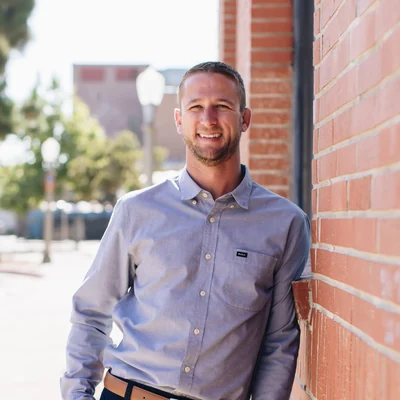
Trevor Kaak
Founder, RecoveryStack · Engineer · Endurance athlete
Long-distance runner training for an Ironman. Tests recovery gear in his garage workshop and inside real training cycles. Mechanical engineer by background. Bought every product on this site at retail.
More from TrevorLast verified May 15, 2026 · Bought at retail · used in our garage and outdoor deck · purchases predate the review · Affiliate links disclosed in our policy.